Parker Schwarz · 17 October 2026
Dewlyn's River Clay Deposits Inspire New Sustainable Pottery Traditions
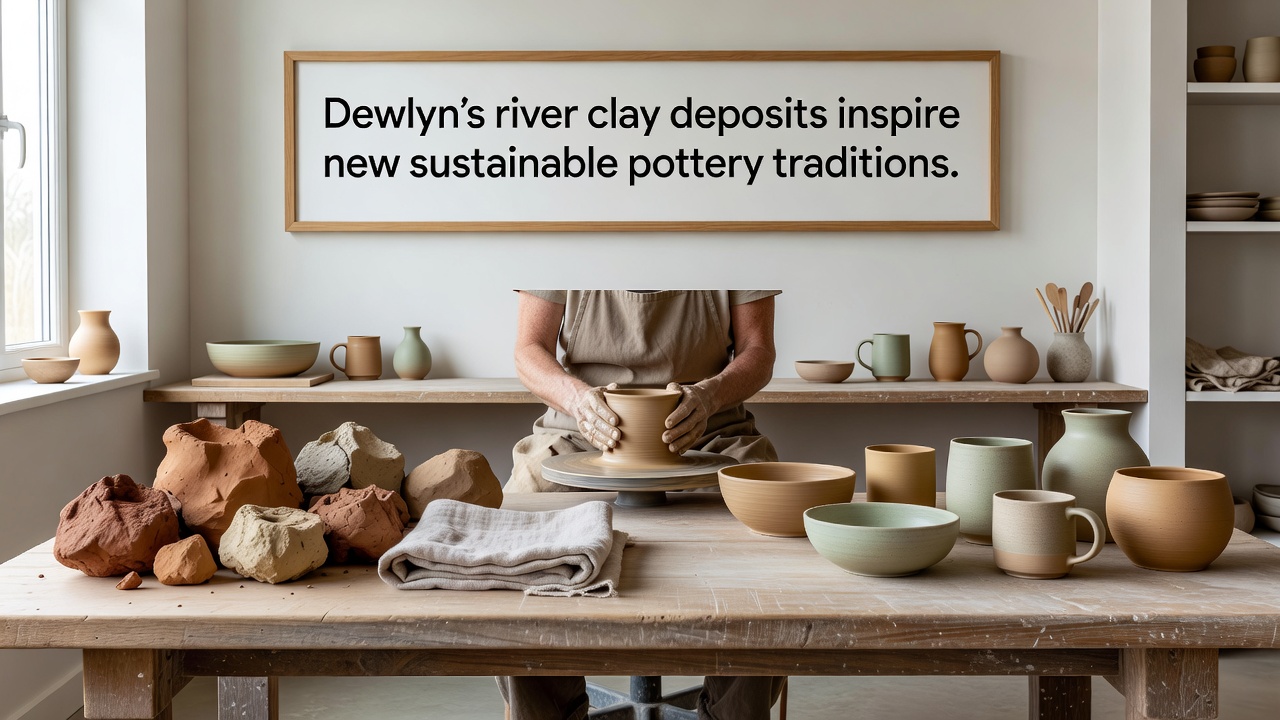
Along the winding banks of the river that cuts through Dewlyn, layers of fine river clay have drawn renewed attention from local artisans and materials researchers since October 2026 when seasonal water levels dropped enough to expose fresh seams, and community workshops began testing the material for low-impact pottery production that relies on minimal processing and local firing techniques.
Those who've examined the deposits note that the clay's natural composition includes high levels of silica and iron oxides which allow it to vitrify at lower temperatures than many commercial blends, and this property reduces energy demands during kiln operations while maintaining structural integrity in finished pieces.
Geological Context of the Deposits
River systems in the region have deposited these clay layers over centuries through repeated flooding cycles, and geologists map the seams as extending several kilometers along the lower valley where finer sediments settle during slower water flows, whereas coarser materials remain upstream. Observers point out that the October 2026 exposure revealed previously undocumented pockets near teh village outskirts, prompting coordinated sampling by both independent potters and university-affiliated teams who confirmed consistent plasticity across samples without requiring chemical additives for workability.
Data from regional surveys indicate that extraction from these sites leaves minimal surface disturbance because the clay sits close to the current riverbed, and removal follows strict guidelines that preserve surrounding vegetation and prevent erosion. Researchers discovered that the material's low shrinkage rate during drying stages further supports its use in sustainable workflows where waste reduction remains a priority.
Adoption of Traditional and Modern Methods
Potters in Dewlyn have combined hand-building techniques passed down through generations with updated kiln designs that incorporate wood from sustainably managed local woodlands, and the result is a production cycle that sources everything within a five-kilometer radius. One study revealed that firing temperatures stay between 900 and 1050 degrees Celsius for most forms, which cuts fuel consumption compared to stoneware processes that often exceed 1200 degrees, while the clay's iron content produces natural color variations from deep terracotta to muted grays without added pigments.
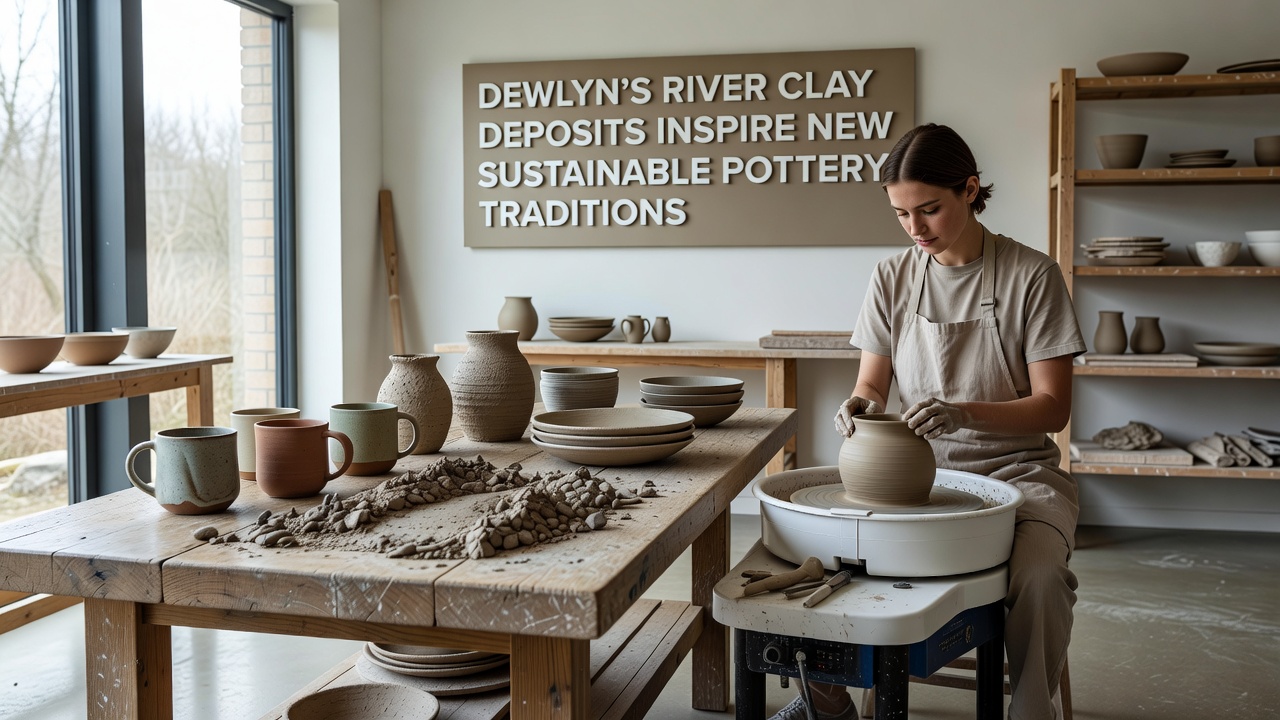
Community groups began hosting open sessions in late October 2026 where participants learned to wedge and throw the clay directly from river-washed state, skipping industrial refinement steps that typically involve imported chemicals and long-distance transport. What's interesting is how these sessions also documented improved thermal shock resistance in test tiles, allowing pieces to move from kiln to outdoor use with fewer losses during seasonal temperature swings.
Environmental and Economic Factors
Local records show that transportation-related emissions drop substantially when clay travels only short distances by foot or small cart rather than truck, and this aligns with broader European Union targets for material circularity outlined in reports from the European Environment Agency. Yet the approach also supports village economies because potters sell directly at seasonal markets, bypassing export chains that inflate costs and carbon footprints.
Evidence suggests that repeated harvesting from the same river sections does not deplete reserves quickly because annual flooding replenishes the deposits at rates that outpace modest extraction volumes, and monitoring programs track sediment levels to confirm this balance. But here's the thing: practitioners emphasize that the clay's workability varies with moisture content from year to year, so artisans maintain detailed logs of each batch to adjust forming and drying times accordingly.
Community Integration and Skill Sharing
Schools in Dewlyn incorporated basic clay processing into environmental science modules during the 2026 autumn term, and students documented how the river material compares to commercial alternatives in side-by-side durability tests. These projects highlight connections between local geology and everyday resource use, while also introducing safety protocols for handling wet clay to avoid respiratory irritation from silica dust.
Workshops now run monthly, drawing participants from neighboring areas who learn to build simple pit kilns using the same clay as insulation, and this method further lowers equipment needs. Data shows that pieces produced this way achieve comparable water resistance to glazed stoneware after multiple firings, though the natural surface texture requires different maintenance habits such as periodic oiling rather than chemical cleaning agents.
Conclusion
The river clay deposits continue to shape pottery practices in Dewlyn through a combination of geological accessibility, material properties that suit lower-energy processing, and community structures that prioritize local loops over external supply chains. Ongoing documentation from October 2026 onward provides baseline measurements for future comparisons, while links to research institutions such as those publishing through the Natural Resources Canada platform offer broader context on sustainable mineral use. These developments demonstrate how a single resource can anchor multiple traditions without expanding environmental loads.