Lars Carter · 19 September 2026
Dewlyn Foragers Catalog Wild Edibles Thriving in Protected Woodlands
Researchers and local foraging groups in Dewlyn have assembled an extensive catalog documenting wild edibles that continue to flourish within the boundaries of protected woodlands, and this work draws on field surveys conducted over multiple seasons to record species distribution, growth patterns, and ecological conditions that support their presence.
Project Background and Methods
The cataloging effort began as a collaborative initiative between community foragers and regional conservation authorities, with teams mapping edible plants, fungi, and berries across designated protected zones where harvesting remains restricted yet observation and documentation receive full support, and data collection involves systematic transects, photographic records, and soil sampling that together build a reliable inventory of species thriving under current management practices.
Survey teams operate under permits issued by local woodland authorities, which allow non-invasive recording while prohibiting collection in core protected sections, and this approach has produced consistent datasets that track changes in abundance from year to year.
Species Documented in the Catalog
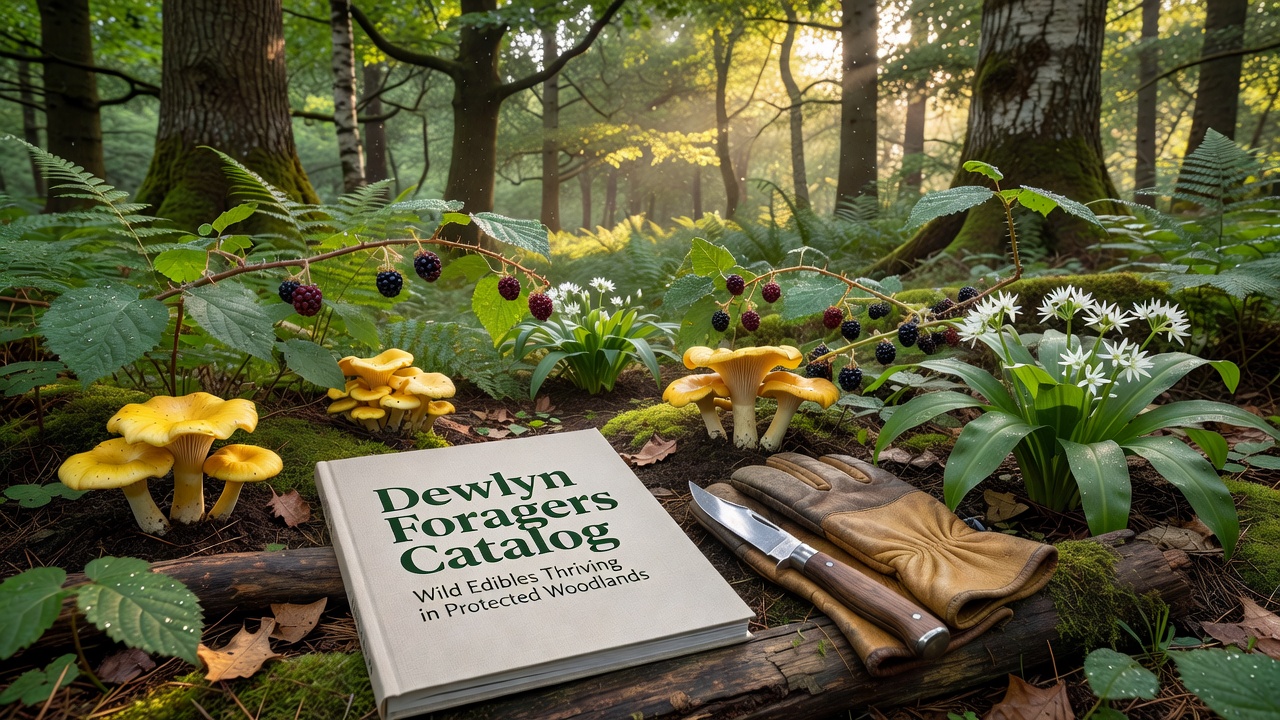
Among the entries, several woodland mushrooms appear alongside native berry shrubs and leafy greens that demonstrate resilience in shaded, low-disturbance environments, and records note the presence of species such as chanterelles and morels in specific microhabitats where moisture and canopy cover align with their requirements, while berry-producing plants like bilberry and wild raspberry show steady regeneration in canopy gaps created by natural tree fall.
Leafy edibles including wood sorrel and certain wild mustards receive attention because they occupy understory layers that remain relatively undisturbed by larger herbivores, and catalog entries include seasonal availability windows that help observers time their visits for accurate identification without affecting plant populations.
Protected Woodland Conditions Supporting Growth
Protected status has contributed to stable microclimates and reduced soil compaction across many Dewlyn woodland parcels, and these factors allow edible species to maintain populations even as surrounding areas experience greater recreational pressure, with data from repeated surveys indicating higher densities of certain fungi in zones closed to vehicle access compared with adjacent public trails.
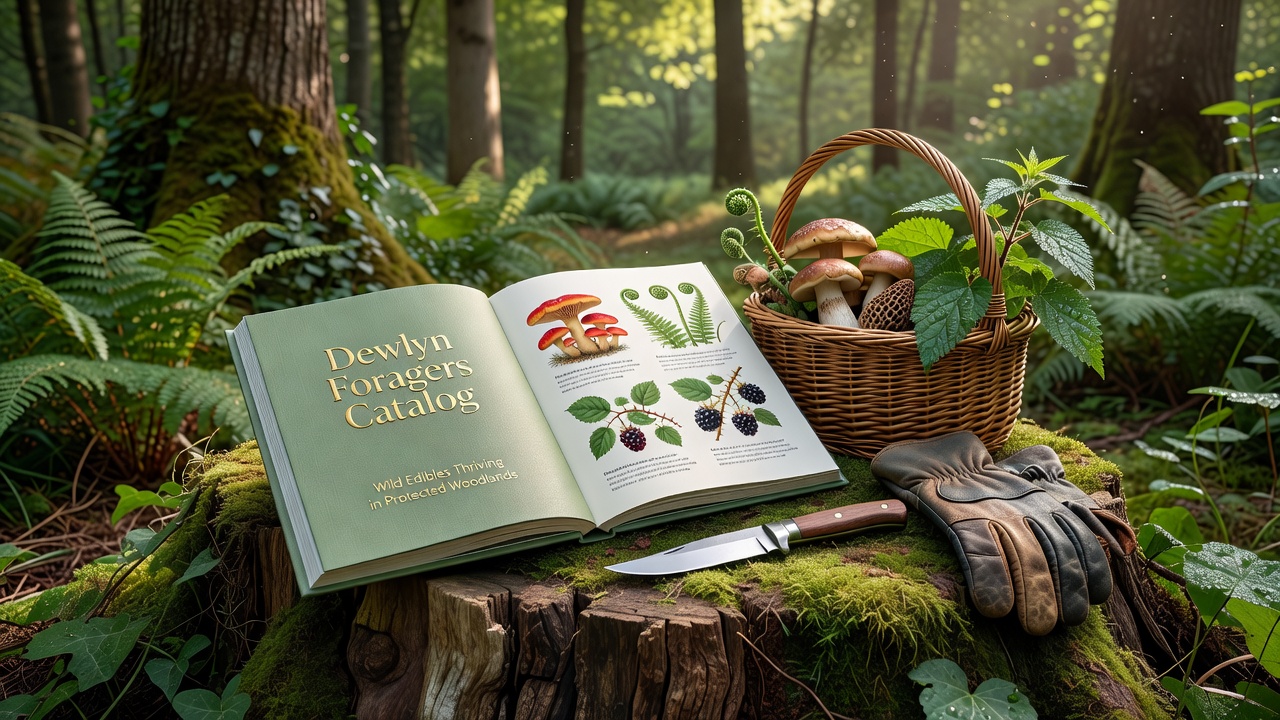
Soil analyses conducted alongside botanical inventories reveal nutrient profiles that favor mycorrhizal associations essential for many edible mushrooms, and observers note that older woodland stands within protection boundaries retain higher organic matter levels that correlate with increased fruiting events during favorable autumn conditions.
Regulatory Framework and September 2026 Update
Guidelines issued by the USDA Forest Service emphasize observation-only protocols in protected areas, and similar frameworks adopted by Dewlyn authorities align with these standards to prevent overharvesting while still permitting educational cataloging, and compliance checks occur quarterly to verify that field teams adhere to low-impact methods.
In September 2026 the latest catalog revision incorporated findings from summer monitoring rounds, which documented an uptick in certain berry shrub coverage following targeted invasive species removal carried out earlier in the year, and the update also cross-referenced records with mapping data from the Australian Department of Climate Change, Energy, the Environment and Water to compare growth trends across different protected woodland types.
Community Involvement and Data Sharing
Local residents participate through guided observation walks that teach identification skills without encouraging collection, and participants contribute sightings to a shared digital database that updates the catalog in real time, while training sessions cover legal boundaries and ecological rationale for leaving plants in place.
Schools and conservation clubs have begun incorporating catalog excerpts into educational modules that highlight biodiversity monitoring techniques, and this outreach expands the pool of trained observers who can assist with future survey seasons.
Conclusion
The Dewlyn foragers catalog provides a living record of wild edibles that persist under protective management, and continued updates will rely on sustained cooperation between community groups and regulatory bodies to maintain accurate, accessible information about species distribution in these woodlands.