Zara Bauer · 1 September 2026
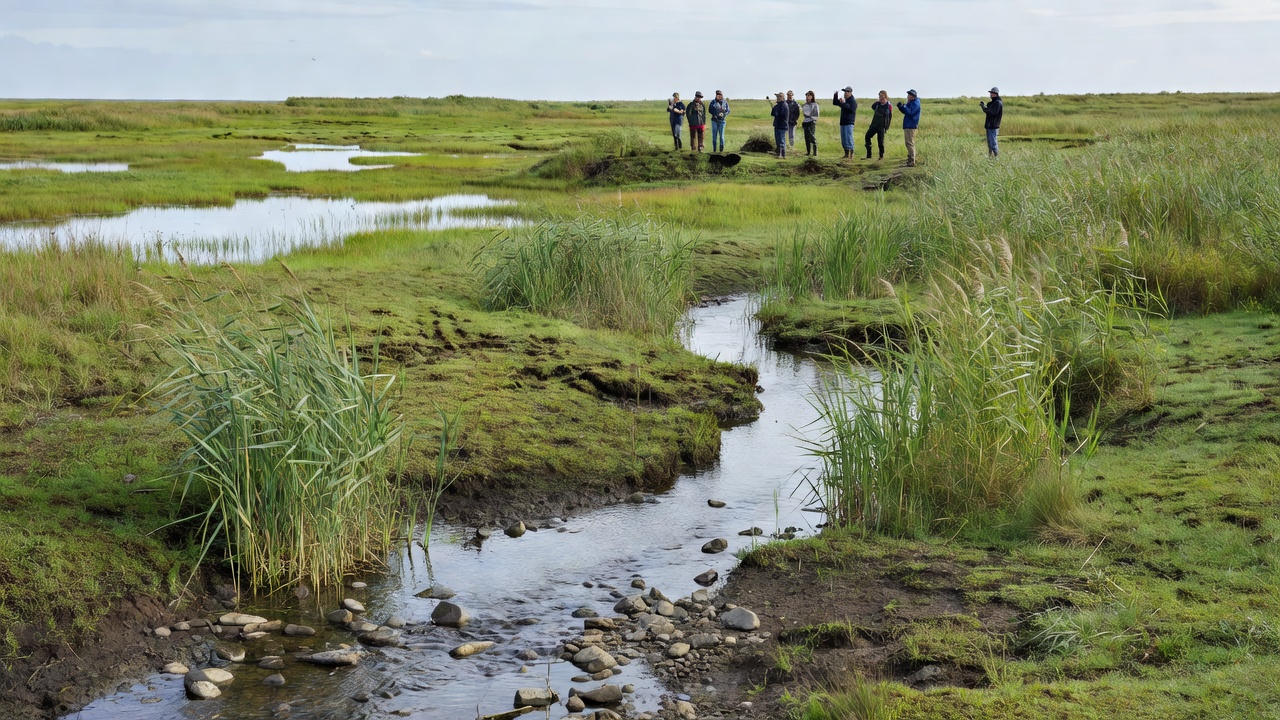
The Dewlyn Village Council voted unanimously to approve a major wetland restoration project during its regular session on Tuesday. The initiative targets 120 acres of degraded marshland along the eastern boundary of the village, with work scheduled to begin in early spring.
Project Scope and Funding
Officials allocated $2.4 million from the village environmental reserve fund, supplemented by a $1.1 million state grant. The plan includes recontouring drainage channels, planting native vegetation, and installing monitoring stations to track water quality. Council members emphasized that the project will reduce flood risk for nearby residential areas while creating habitat for migratory birds and amphibians. Construction is expected to last 18 months, with periodic public updates provided at council meetings.
Environmental consultants hired by the village conducted baseline surveys showing significant erosion and invasive species growth in the target zone. Restoration methods will follow guidelines established by the regional watershed authority. Local contractors will be given preference for bidding on earth-moving and planting phases.
Community and Ecological Benefits
Residents living near the wetlands expressed support, citing improved recreational access through new walking paths and educational signage. The restored area is projected to increase groundwater recharge rates by 15 percent within five years, according to hydrological models presented to the council. Village staff will coordinate with neighboring townships to ensure consistent water management practices across boundaries.
Long-term maintenance will be funded through an annual allocation of $85,000, drawn from property tax revenue designated for open-space preservation. Monitoring data will be shared publicly via the village website to allow residents to track progress on water clarity, species counts, and vegetation coverage. Councilors noted that similar projects in adjacent counties have demonstrated measurable improvements in local biodiversity within three years of completion.